


Two Columbian College alumni recently wrote books that take a deep dive into art, history and culture.
In American, born Hungary (Virginia Museum of Fine Arts), Alex Nyerges, BA ’79, MA ’82, the director and CEO of the Virginia Museum of Fine Arts, offers an expansive look at the significant role of Hungarian immigrants in shaping American photographic culture and practice in the 20th century.
In Making the Presidency: John Adams and the Precedents That Forged the Republic (Oxford University Press), Lindsay Chervinsky, BA ’10, the executive director of the George Washington Presidential Library at Mount Vernon, provides an authoritative account of the second president of the United States.
Take a closer inside both books!
American, Born Hungary: Kertesz, Capa, and the Hungarian American Photographic Legacy
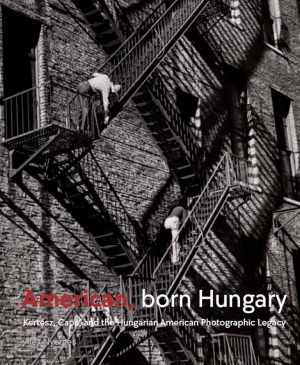
Nyerges, who has more than 40 years of experience as an art museum director and was named a GW Monumental Alumni in 2021, has authored books on exhibitions highlighting photographers like Edward West and Ansel Adams. American, born Hungary accompanied a critically acclaimed exhibition that opened at the Museum of Fine Arts, Budapest, in 2024.
The publication’s essays introduce readers to the complex legacy of more than 30 Hungarian-born photographers and reflect on their journeys to the U.S. in the context of Hungarian emigration over 150 years. The book explores the photojournalism of the Capa brothers including Robert Capa’s famous Spanish Civil War coverage; the deeply experimental work of artists such as László Moholy-Nagy and György Kepes; and the portraits of cinema icons by André de Dienes, including Marilyn Monroe, which helped fuel Hollywood’s Golden Age.
Making the Presidency: John Adams and the Precedents That Forged the Republic
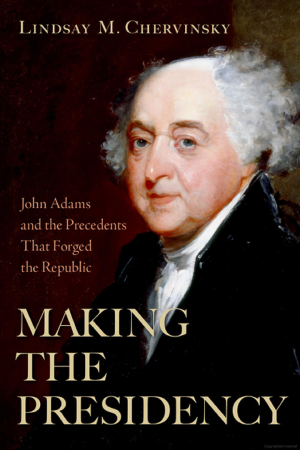
A renowned presidential historian, Chervinsky is the author of the award-winning book The Cabinet: George Washington and the Creation of an American Institution (Belknap Press, 2020) and co-editor of Mourning the Presidents: Loss and Legacy in American Culture. She is a regular commentator for national TV and radio and often writes for The Wall Street Journal, Time Magazine, USA Today, CNN.com, Washington Monthly and The Washington Post.
In Making the Presidency, Chervinsky describes Adams as one of the most qualified presidents in American history—a legislator, political theorist, diplomat, minister and even vice president. Quixotic, stubborn and following in the imposing shadow of Washington, Adams would rely on his own ideas about executive power to navigate the hurdles of the office and guide the country through a critical period. He defended the presidency from his own often obstructionist cabinet, protected the nation from foreign attacks and instilled trust and dedication to election integrity and the peaceful transfer of power between parties—even though it cost him his political future.